

 Vietnam
Most businesses only realize they’ve been breached when a ransomware demand flashes across their screens. In today’s complex digital landscape, waiting for an attack to happen before reacting is no longer a viable strategy; it is a recipe for operational disaster.
To stay ahead of sophisticated cybercriminals, modern enterprises need more than just a wall—they need a radar. This is where Threat Intelligence comes in, shifting your cybersecurity posture from purely reactive to highly proactive.
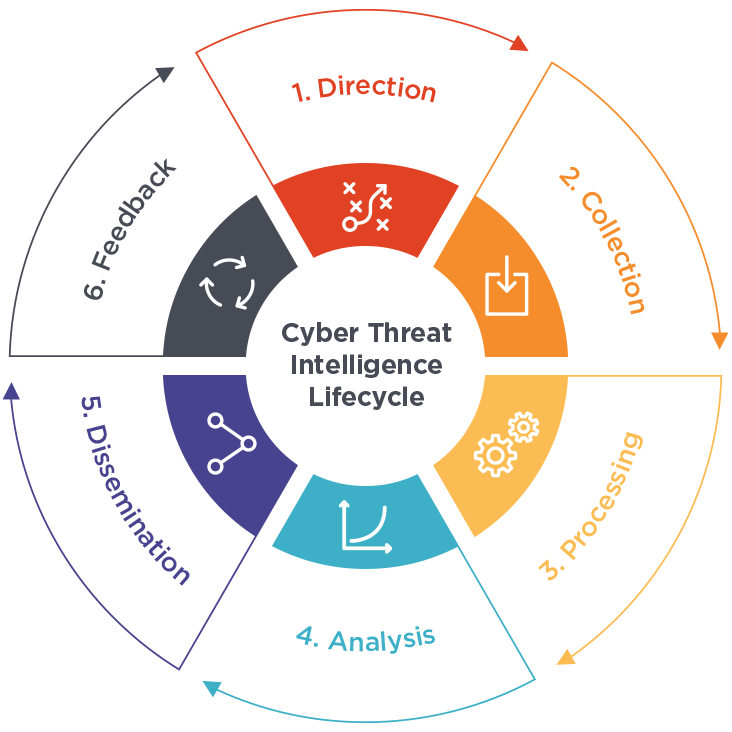
The 6 continuous phases of the Cyber Threat Intelligence Lifecycle.
Beyond Basic Definitions: The Essence of Threat Intelligence
At its core, Threat Intelligence is not just a software feature; it is the continuous process of gathering, analyzing, and applying information about emerging cyber threats.
Instead of waiting for malware to hit your network, Threat Intelligence actively scours global threat databases, dark web chatter, and emerging attack vectors. It helps CIOs and IT Managers answer three critical questions:
- Who is likely to attack us?
- What methods (tactics and techniques) will they use?
- How can we block them before they even breach our perimeter?
Why Traditional Defenses Are No Longer Enough
Traditional firewalls are often blind to sophisticated zero-day exploits, leaving critical data vulnerable.
Many organizations still rely solely on traditional firewalls and standard antivirus software. While these are necessary foundational layers, they have a critical blind spot: they only stop known threats based on historical signatures.
- The Zero-Day Vulnerability: Hackers constantly develop new, undocumented methods (Zero-day exploits). Traditional systems are entirely blind to these until the damage is already done.
- Alert Fatigue: IT teams are often overwhelmed by thousands of false-positive security alerts daily, causing them to miss the actual, critical breaches hidden in the noise.
- The Cost of Delay: According to global reports, it takes an average of over 200 days for an organization to identify a data breach. The longer an attacker roams your network, the higher the cost of downtime, data loss, and regulatory fines.
How ONEHUB Transforms Intelligence into Defense
At ONEHUB, we don’t just provide you with a raw feed of threat data. We integrate comprehensive Threat Intelligence directly into your digital infrastructure, ensuring actionable security.
Here is how ONEHUB’s approach makes the difference:
- 24/7 SOC Integration: Our Security Operations Center (SOC) continuously monitors your systems, utilizing threat intelligence to detect anomalies in real time while you sleep.
- Multi-Cloud Protection: Whether your data resides on AWS, Google Cloud, or a Private Data Center, our intelligence mechanisms track and secure data flows seamlessly across all environments.
- Proactive Threat Hunting: Our expert engineers use advanced analytics to hunt down hidden threats within your network, neutralizing them before they can execute their payloads.
Enterprise-Grade Security You Can Trust
Protecting your enterprise infrastructure requires more than just tools; it requires a trusted partner. ONEHUB designs security architectures tailored to your specific business model, ensuring absolute compliance with international security standards and data protection regulations. We turn complex threat data into a clear, secure operational reality.